
Medical Disclaimer: This article is for informational purposes only and is not a substitute for professional medical advice. The research cited below suggests dietary associations with cortisol levels, but individual results vary. Always consult your healthcare provider before making significant dietary changes, especially if you have adrenal disorders, Cushing’s syndrome, or are taking corticosteroid medications.
If you’ve ever gone through a period of intense stress — and honestly, who hasn’t — you’ve probably felt the effects of cortisol without even knowing it. The weight that creeps on around your midsection, the 3 AM wake-ups, the brain fog that won’t lift. I spent most of 2024 dealing with exactly this after a particularly rough stretch, and when my doctor confirmed my cortisol levels were elevated, the first thing she asked about was my diet.
That conversation sent me down a research rabbit hole. It turns out there’s a growing body of peer-reviewed research showing that specific foods can genuinely help regulate your body’s cortisol response. Not as a replacement for managing stress at its source, but as a meaningful supporting strategy. A 2022 systematic review in Nutritional Neuroscience analyzed 75 human trials and found that various plant-based compounds can modulate the hypothalamic-pituitary-adrenal (HPA) axis — the system that controls cortisol production.1
Here are 18 foods I’ve incorporated into my own routine, backed by the science that convinced me they’re worth it. If you’re also exploring natural approaches to managing cortisol, you might want to check out our cortisol-lowering smoothie cocktails for easy ways to combine several of these ingredients.
1. Dark Chocolate
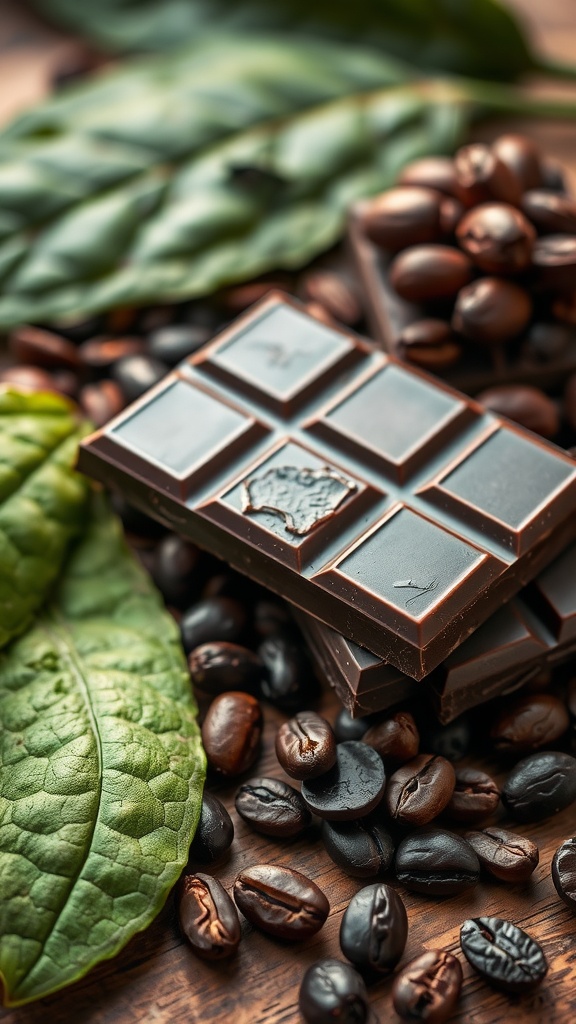
I’ll be honest — when I first read that dark chocolate could lower cortisol, I was skeptical. It felt too good to be true. But the research is surprisingly solid. A 2014 study published in the Journal of the American College of Cardiology found that eating 50g of dark chocolate daily for two weeks significantly reduced cortisol reactivity when participants were put under psychological stress.2
The key is choosing chocolate with at least 70% cacao. The flavonoids in dark chocolate appear to directly buffer your adrenal stress response. I keep a bar of 85% dark chocolate in my desk drawer and break off a square or two in the afternoon — it’s become one of my favorite daily rituals. A separate 2009 study in the Journal of Proteome Research confirmed that just 40g daily for two weeks reduced urinary cortisol excretion in people with high anxiety levels.3
2. Blueberries
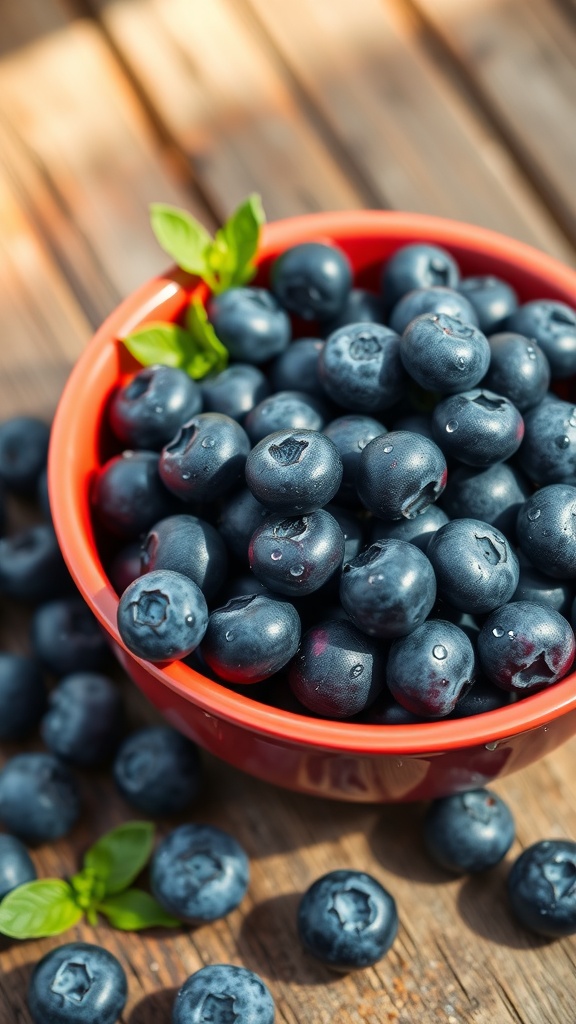
Blueberries have become a non-negotiable in my morning routine. I toss a handful into oatmeal, yogurt, or just eat them straight from the container. Beyond tasting incredible, they’re packed with anthocyanins — the antioxidants that give them that deep blue color — which help combat the oxidative stress that goes hand-in-hand with elevated cortisol.
A randomized controlled trial published in Applied Physiology, Nutrition, and Metabolism found that daily blueberry consumption for six weeks significantly reduced oxidative stress and inflammatory markers associated with cortisol-mediated stress responses.4 I started adding them to my smoothie bowls and honestly noticed a difference in my overall energy levels within a few weeks.
3. Green Tea
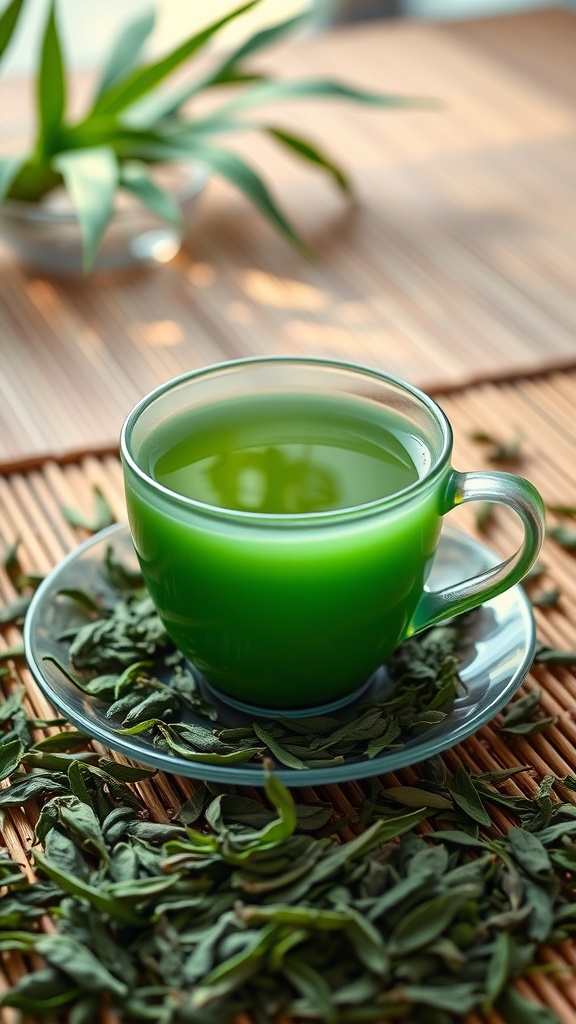
I switched from my second cup of coffee to green tea about a year ago, and it was one of the best swaps I’ve made. The secret ingredient is L-theanine, an amino acid that promotes calm alertness without the jittery crash of caffeine.
A double-blind, placebo-controlled crossover trial published in Nutrients found that L-theanine significantly reduced cortisol response to cognitive stressors.5 Even more convincingly, a 2024 randomized controlled trial showed that 200mg of L-theanine daily for 28 days significantly reduced both salivary cortisol and perceived stress in adults with moderate stress levels.6 One cup of green tea contains about 25-50mg of L-theanine, so I aim for 2-3 cups throughout the day.
4. Oats
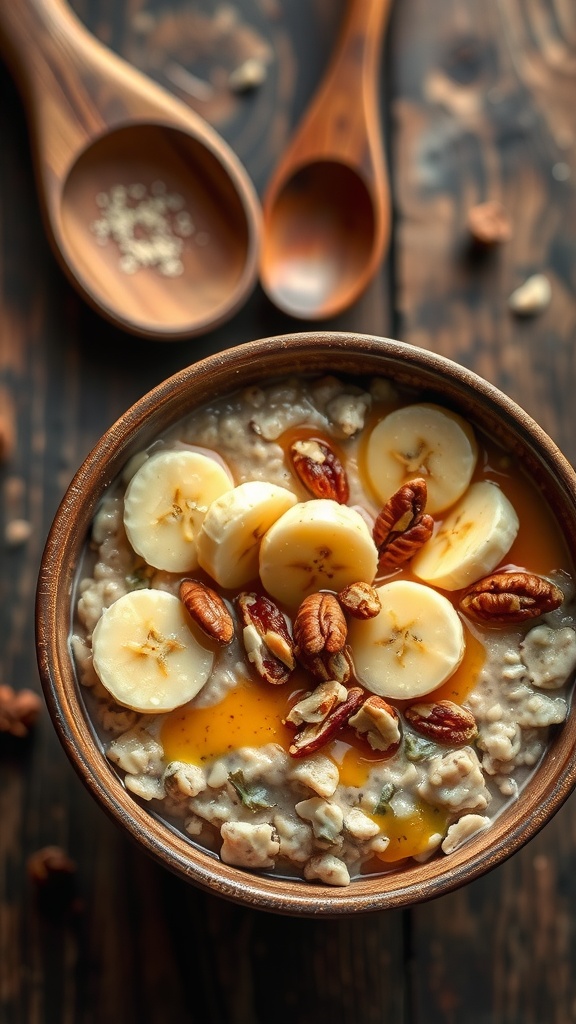
There’s a reason a warm bowl of oatmeal feels so comforting — it’s actually doing something real for your stress hormones. Oats are complex carbohydrates that trigger a cascade: they increase insulin, which enhances tryptophan uptake into the brain, which boosts serotonin production — your natural mood stabilizer that helps regulate cortisol.
Researcher C.R. Markus demonstrated in a 2007 study in Biological Psychology that high-carbohydrate meals increased brain tryptophan availability and genuinely improved stress coping by lowering cortisol reactivity in stress-susceptible individuals.7 I make overnight oats almost every night now — it’s become my go-to breakfast because it’s easy, filling, and I know it’s helping set a calmer tone for the day.
5. Avocado
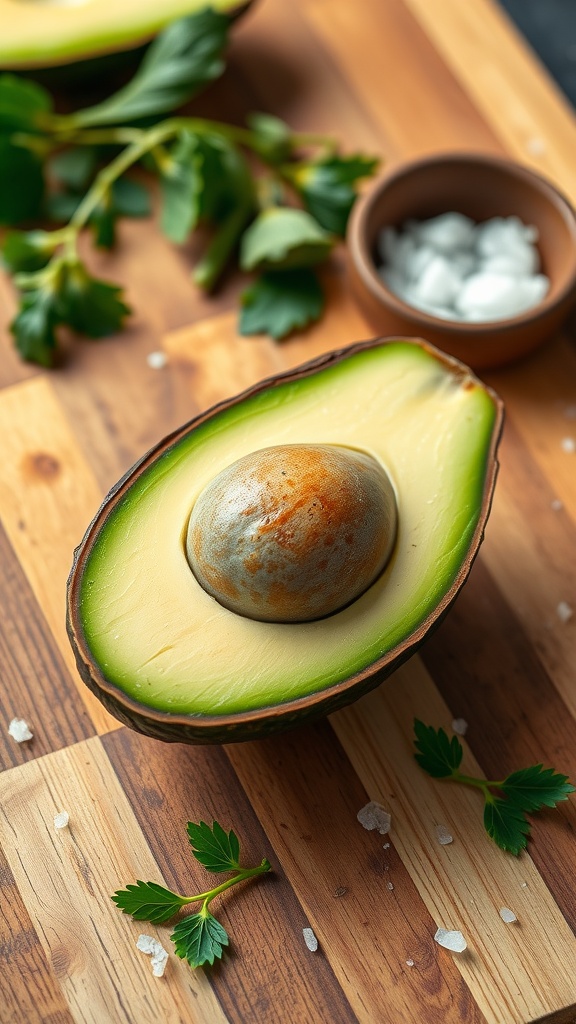
Avocados are basically nature’s stress-relief multivitamin. They’re loaded with B vitamins, potassium, and healthy monounsaturated fats — all of which play roles in cortisol regulation. I go through about three avocados a week, mostly on toast or sliced into salads.
A randomized controlled trial published in Nutrients found that B-vitamin supplementation (the kind found abundantly in avocados) significantly lowered the cortisol awakening response — that spike in cortisol you get first thing in the morning — and reduced perceived stress over 16 weeks.8 The combination of B5, B6, and folate in avocados supports your adrenal glands in producing and regulating stress hormones more efficiently.
6. Spinach
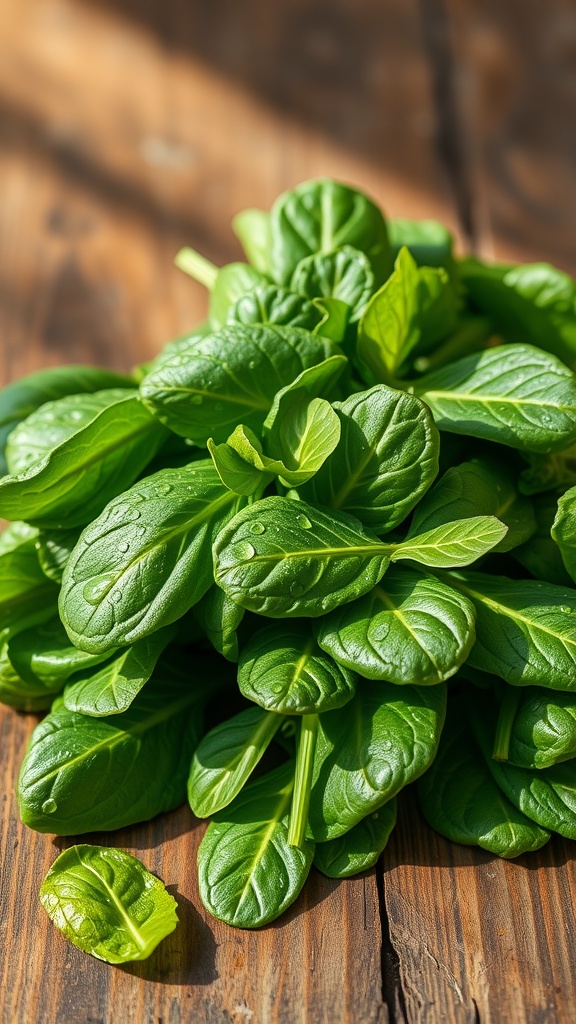
Magnesium is one of the most underappreciated minerals when it comes to stress management, and spinach is one of the best sources. I’ve started adding big handfuls of baby spinach to everything — smoothies, scrambled eggs, pasta, even sandwiches.
A 2016 study in the Journal of Medical Biochemistry found that magnesium supplementation (350mg/day for 4 weeks) significantly reduced serum cortisol levels both at rest and after exercise.9 What’s particularly interesting is the vicious cycle that a 2020 review in Nutrients described: stress depletes your magnesium stores, and low magnesium amplifies your stress reactivity, creating a feedback loop that’s hard to break without intentionally eating magnesium-rich foods.10
7. Salmon
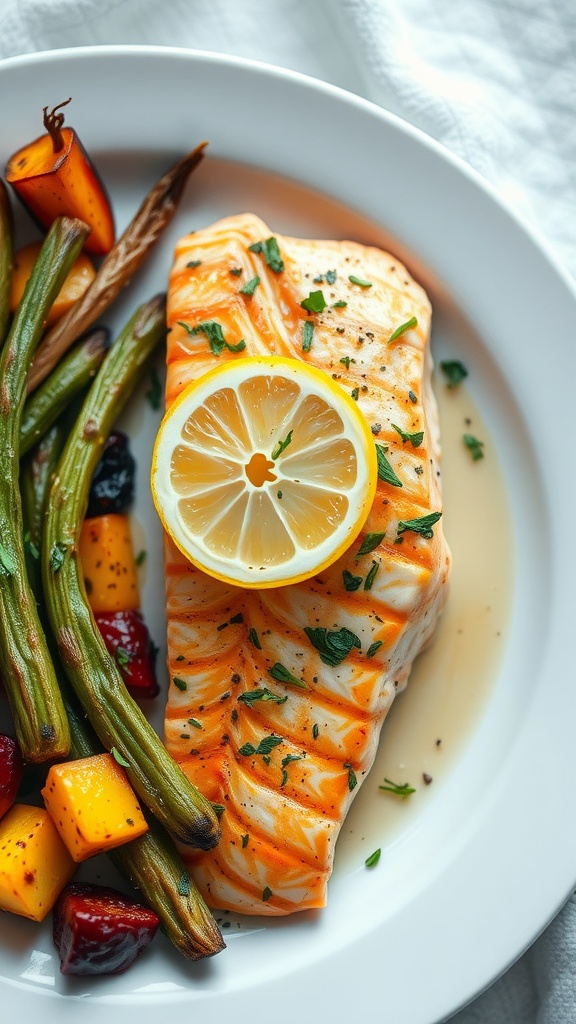
If there’s one food on this list with the most robust evidence, it’s probably salmon. The omega-3 fatty acids (EPA and DHA) in fatty fish have been studied extensively for their effects on stress hormones, and the results are compelling.
A landmark 2011 randomized controlled trial published in Brain, Behavior, and Immunity found that omega-3 supplementation produced a 14% reduction in the inflammatory marker IL-6 and a 20% reduction in anxiety symptoms — both directly linked to cortisol pathways.11 I try to eat salmon twice a week. Wild-caught is ideal, but honestly, even farmed Atlantic salmon provides substantial omega-3s. The key is consistency over perfection.
8. Almonds
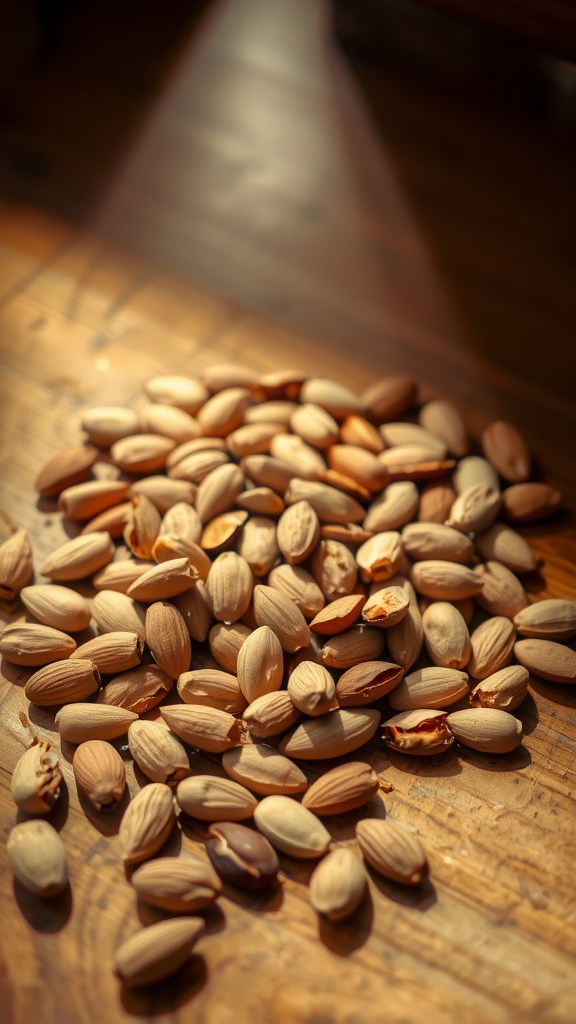
I keep a bag of raw almonds in my car, my desk, and my kitchen counter. They’re my emergency stress snack. A single ounce provides about 75mg of magnesium plus a healthy dose of vitamin E — both of which are involved in HPA axis modulation (that’s the system controlling your cortisol production).
The systematic review by McCabe et al. (2017) in the JBI Database of Systematic Reviews found that the combination of magnesium, B vitamins, and vitamin E — all present in almonds — can measurably reduce perceived stress and modulate cortisol levels in women.12 About 23 almonds is one serving, and I find that’s the perfect mid-afternoon handful to tide me over without the blood sugar crash of reaching for something sweet.
9. Turmeric
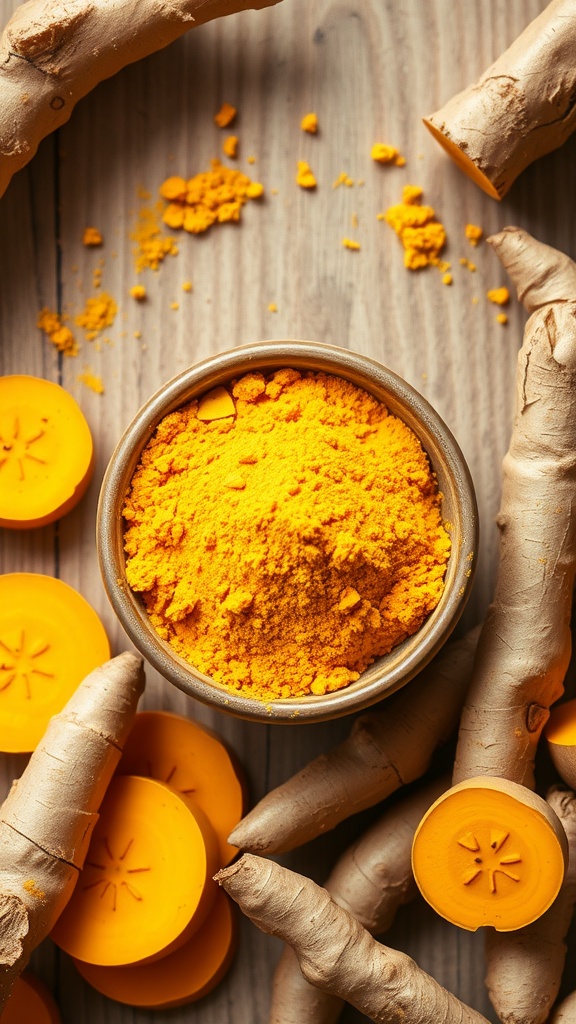
Turmeric has gotten a lot of hype in recent years, but when it comes to cortisol, the research on its active compound curcumin is genuinely impressive. I add turmeric to scrambled eggs, soups, and golden milk lattes.
A double-blind, placebo-controlled trial published in the European Journal of Nutrition found that 800mg of curcumin daily for 8 weeks significantly reduced serum cortisol levels compared to placebo.13 Another RCT published in European Neuropsychopharmacology showed curcumin reduced both salivary and urinary cortisol in patients with depression.14 One important note: curcumin is poorly absorbed on its own. Pair it with black pepper (which contains piperine) to increase absorption by up to 2,000%.
10. Bananas
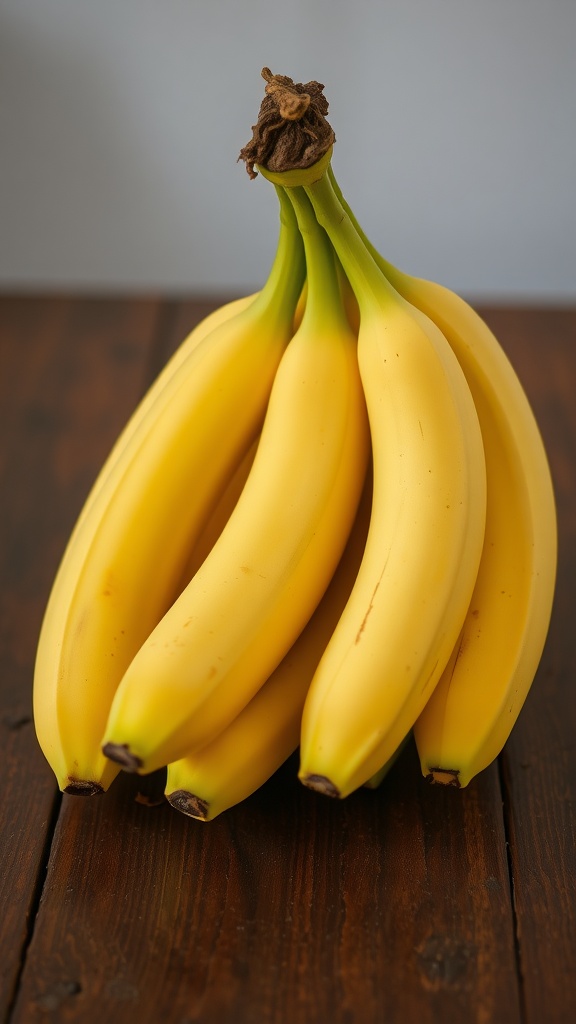
Bananas are my go-to pre-workout and post-stress snack. They’re rich in potassium, magnesium, and vitamin B6 — a trio that supports your body’s ability to regulate stress hormones. The potassium in particular helps modulate the renin-angiotensin-aldosterone system, which interacts directly with cortisol pathways.
While direct studies on bananas and cortisol are limited, research on potassium-rich diets like the DASH diet (which emphasizes fruits including bananas) has shown improved stress markers compared to typical Western diets.15 I eat at least one banana a day — usually sliced on top of my morning oats or blended into a smoothie bowl.
11. Oranges
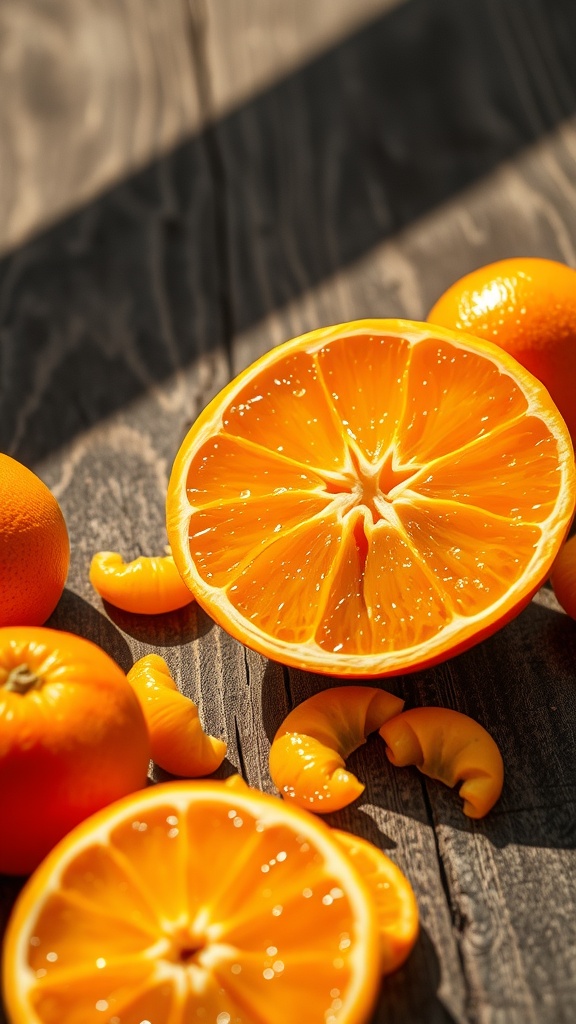
Oranges and other citrus fruits are cortisol-fighting powerhouses thanks to their high vitamin C content. This isn’t folk wisdom — the research here is some of the strongest on this entire list.
A landmark randomized controlled trial by Brody et al. (2002) in Psychopharmacology found that vitamin C supplementation significantly reduced cortisol, blood pressure, and subjective stress responses when participants were put through psychological stress testing.16 Another study found that vitamin C attenuated cortisol spikes after ultramarathon running.17 One large orange provides about 70mg of vitamin C. I squeeze fresh orange juice most mornings — it’s a small thing, but knowing the science behind it makes it feel like an investment in my resilience.
12. Chia Seeds
Chia seeds are tiny but nutritionally dense — packed with omega-3 fatty acids (ALA), magnesium, and fiber. I sprinkle them on yogurt, blend them into smoothies, or make chia pudding as a dessert.
The omega-3 ALA in chia seeds converts to EPA and DHA in the body, tapping into the same cortisol-lowering pathways demonstrated in the omega-3 research on salmon.11 Additionally, their magnesium content contributes to the stress-cortisol regulation cycle described by Pickering et al. (2020) — helping to break that vicious circle where stress depletes magnesium and low magnesium amplifies stress.10
13. Greek Yogurt
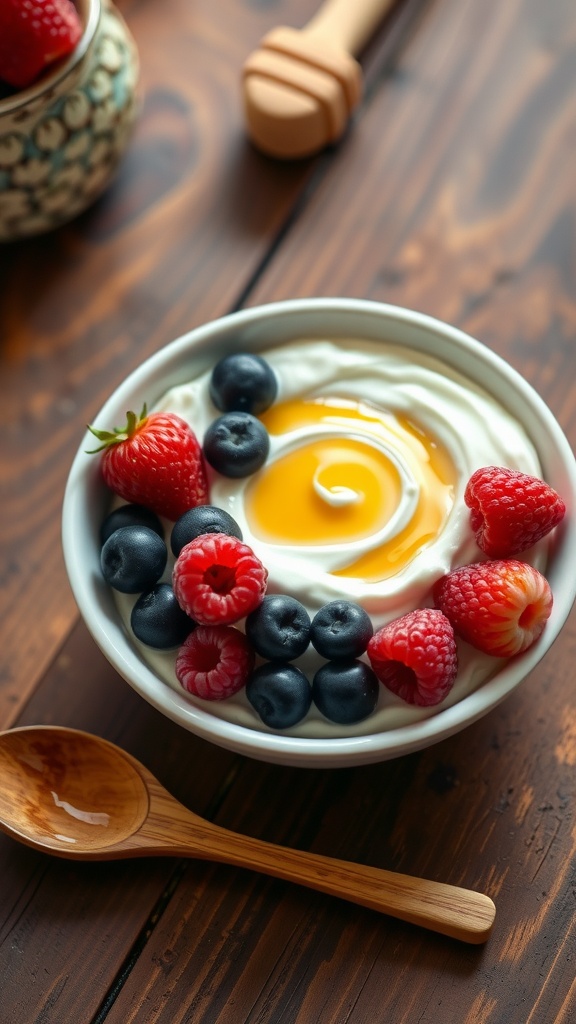
The gut-brain connection is one of the most fascinating areas of stress research, and Greek yogurt is one of the tastiest ways to support it. The probiotics in fermented dairy directly influence your body’s cortisol production through the gut-brain axis.
A landmark 2011 study in the British Journal of Nutrition found that probiotic supplementation (the kind of beneficial bacteria found in yogurt) for 30 days significantly reduced urinary free cortisol and psychological distress in healthy volunteers.18 A 2022 systematic review confirmed the finding across multiple studies.19 I eat Greek yogurt almost daily — topped with blueberries, a drizzle of honey, and a sprinkle of granola. It’s genuinely one of the meals I look forward to most.
14. Kale
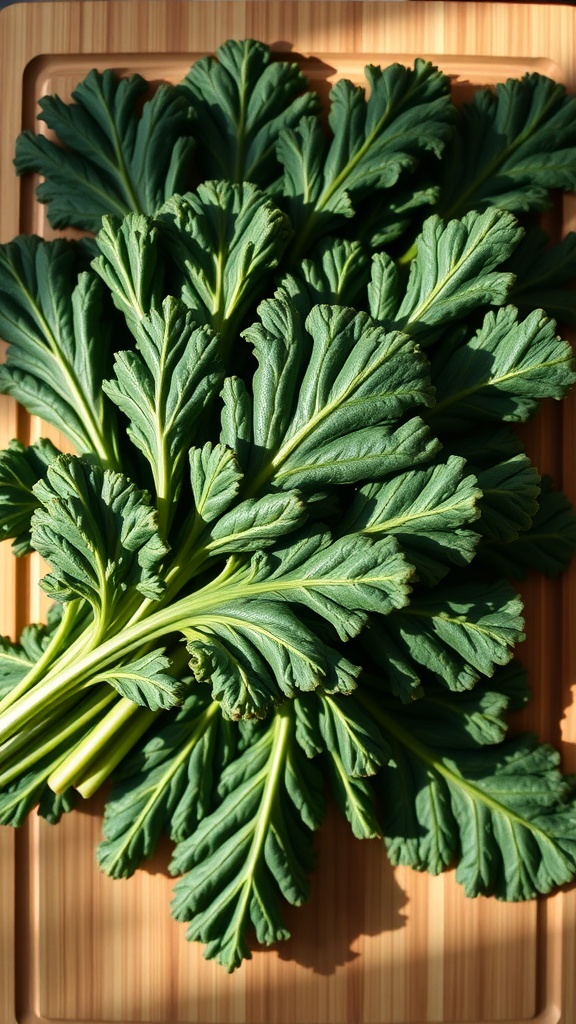
Kale gets a lot of eye-rolls as a “trendy superfood,” but the nutritional profile speaks for itself. It’s extremely rich in vitamin C (one cup of raw kale has more than an orange), plus magnesium, and various antioxidants that combat oxidative stress.
The vitamin C content alone makes it relevant to the Brody et al. study showing vitamin C’s cortisol-lowering effects.16 And human adrenal glands actually contain the highest vitamin C concentration of any organ — they actively use it during cortisol production, as demonstrated by Padayatty et al. (2007) in the American Journal of Clinical Nutrition.20 I massage raw kale with a little olive oil and lemon juice for salads, or sauté it with garlic as a quick side dish.
15. Walnuts
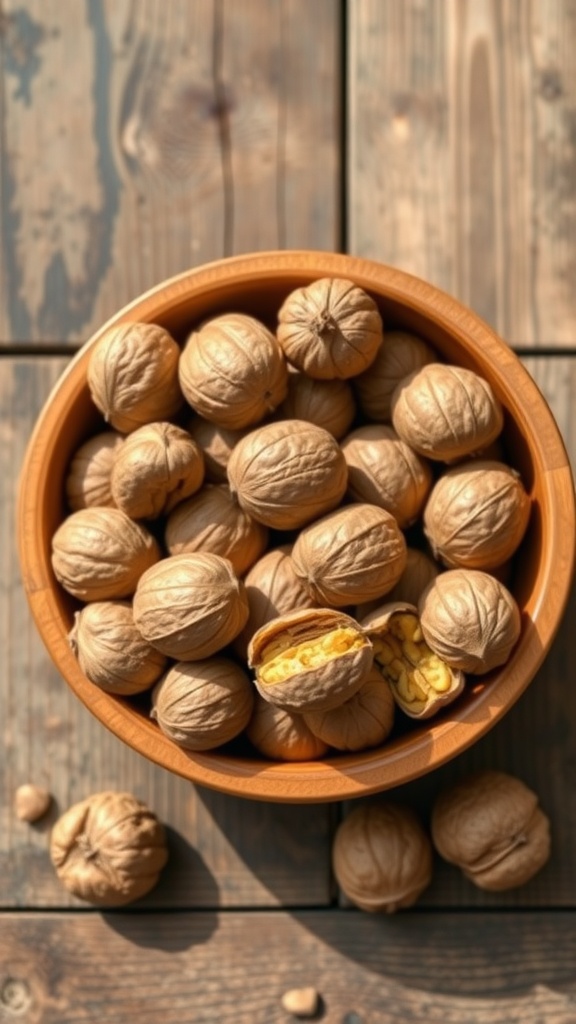
Walnuts are the only tree nut with a significant amount of ALA omega-3 fatty acids, making them a unique stress-fighting snack. I keep a bag in my pantry and grab a handful whenever I’m feeling snacky.
A study by West et al. (2010) in the Journal of the American College of Nutrition found that a walnut-rich diet reduced blood pressure response to stress — a key marker of cortisol-mediated cardiovascular stress.21 The ALA in walnuts converts to EPA and DHA, tapping into the same omega-3 cortisol-lowering pathways that make salmon so effective. About 14 walnut halves is one serving, and they’re excellent crumbled over salads or oatmeal.
16. Sweet Potatoes
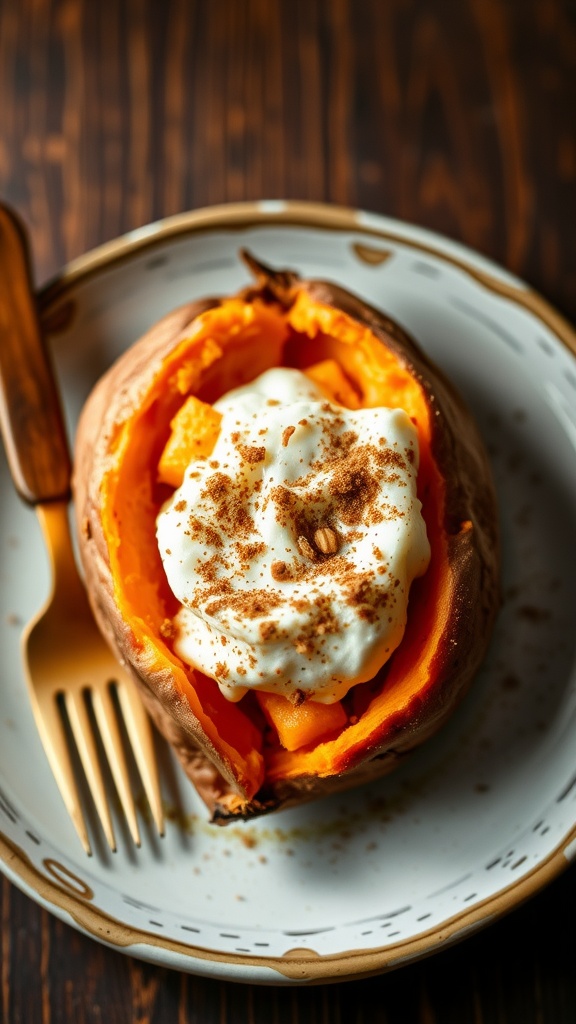
Sweet potatoes are my favorite complex carbohydrate for stress management. They provide a slow, steady release of glucose that supports serotonin production without the spike-and-crash cycle that simple sugars cause.
Researcher C.R. Markus (2007) showed that complex carbohydrate consumption increases brain tryptophan availability, boosting serotonin synthesis and improving stress coping — which translates to lower cortisol reactivity.7 Sweet potatoes also contain beta-carotene and potassium, both of which support adrenal health. I roast a batch on Sunday and use them throughout the week in bowls, as a side dish, or even mashed as a comfort food.
17. Lentils
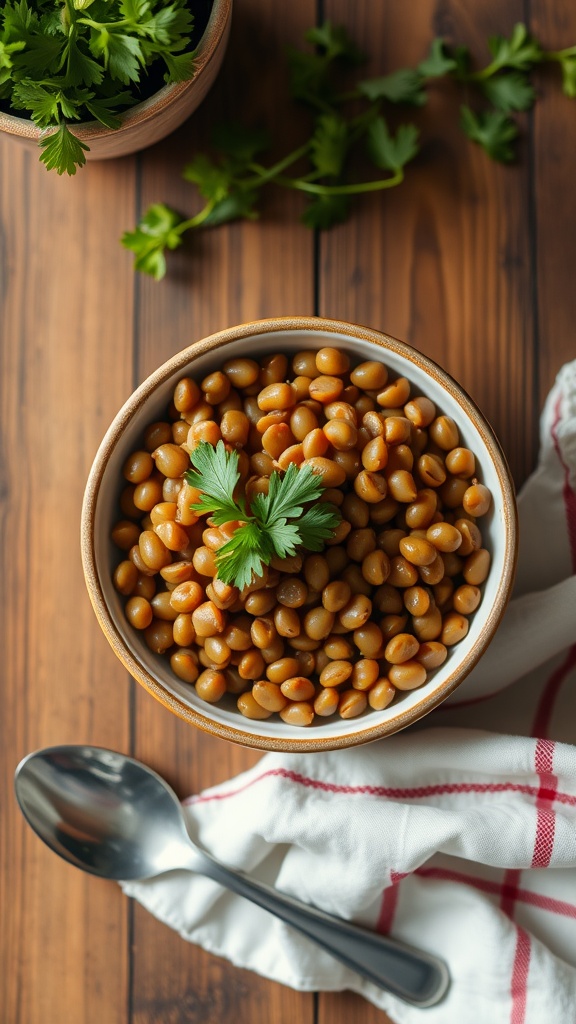
Lentils are an unsung hero in the stress-management kitchen. They’re one of the best plant-based sources of folate, a B vitamin that plays a surprisingly important role in cortisol regulation.
A study published in the Journal of Clinical Endocrinology and Metabolism found that higher folate concentrations were associated with significantly lower cortisol responses to psychological stress.22 One cup of cooked lentils provides about 90% of your daily folate needs. I make a big pot of lentil soup at least once a week — it’s inexpensive, filling, and freezes beautifully. Try our Mediterranean lentil soup recipe if you’re looking for a place to start.
18. Broccoli
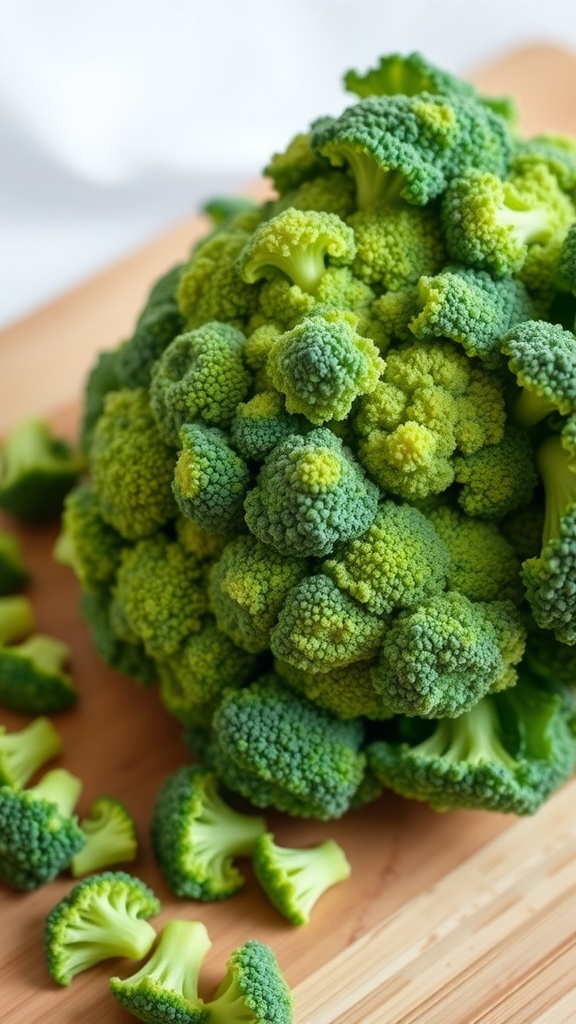
Broccoli rounds out this list as another vitamin C powerhouse — one cup of cooked broccoli provides over 100% of your daily needs. It also contains sulforaphane, a compound that has shown promise in supporting the body’s antioxidant defenses against stress-related damage.
Given that adrenal glands depend heavily on vitamin C during cortisol production20 and that vitamin C supplementation has been shown to directly reduce cortisol responses to stress16, regularly eating broccoli is a practical way to keep your adrenal glands well-supplied. I steam or roast it — roasting with a little olive oil, salt, and garlic at 425°F until the edges are crispy is my preferred method.
Frequently Asked Questions
How quickly can diet changes affect cortisol levels?
Most studies show measurable changes within 2-8 weeks of consistent dietary changes. The dark chocolate studies saw effects in as little as 2 weeks, while curcumin and L-theanine studies typically run 4-8 weeks. Don’t expect overnight results — think of these foods as a long-term strategy, not a quick fix.
Can food alone lower dangerously high cortisol?
No. If you suspect you have clinically elevated cortisol (Cushing’s syndrome or chronic hypercortisolism), you need medical evaluation and treatment. Diet can support normal stress management and help modulate cortisol within healthy ranges, but it’s not a treatment for medical conditions. Always talk to your doctor first.
Do I need to eat all 18 of these foods?
Absolutely not. The research suggests that the nutrients in these foods — omega-3s, magnesium, vitamin C, B vitamins, L-theanine, probiotics, and antioxidants — work through overlapping pathways. Pick the foods you actually enjoy and can consistently incorporate into your routine. Consistency matters far more than variety.
Are supplements as effective as whole foods for cortisol management?
Some of the studies cited above used supplements rather than whole foods, and they did show results. However, whole foods provide complementary nutrients, fiber, and phytochemicals that supplements miss. Where possible, food-first is the better approach — with supplements as a backup for specific nutrients you’re struggling to get enough of (like omega-3s if you don’t eat fish).
What other lifestyle factors affect cortisol besides diet?
Sleep quality, exercise, stress management techniques (meditation, deep breathing), social connection, and reducing caffeine and alcohol intake all significantly affect cortisol. Diet is one piece of a larger puzzle. The most effective approach combines multiple strategies.
Scientific References
- Lopresti AL, Smith SJ, Drummond PD. (2022). “Modulation of the hypothalamic-pituitary-adrenal (HPA) axis by plants and phytonutrients: a systematic review of human trials.” Nutritional Neuroscience, 25(8), 1704-1730. DOI
- Wirtz PH, et al. (2014). “Dark chocolate intake buffers stress reactivity in humans.” Journal of the American College of Cardiology, 63(21), 2297-9. DOI
- Martin FP, et al. (2009). “Metabolic effects of dark chocolate consumption on energy, gut microbiota, and stress-related metabolism.” Journal of Proteome Research, 8(12), 5568-79. DOI
- McAnulty LS, et al. (2011). “Effect of blueberry ingestion on natural killer cell counts, oxidative stress, and inflammation.” Applied Physiology, Nutrition, and Metabolism, 36(6), 976-84. DOI
- White DJ, et al. (2016). “Anti-Stress, Behavioural and Magnetoencephalography Effects of an L-Theanine-Based Nutrient Drink.” Nutrients, 8(1), 53. DOI
- Moulin M, et al. (2024). “Safety and Efficacy of AlphaWave L-Theanine Supplementation for 28 Days in Healthy Adults with Moderate Stress.” Neurology and Therapy, 13(4), 1135-1153. DOI
- Markus CR. (2007). “Effects of carbohydrates on brain tryptophan availability and stress performance.” Biological Psychology, 76(1-2), 83-90. DOI
- Camfield DA, et al. (2013). “The effects of multivitamin supplementation on diurnal cortisol secretion and perceived stress.” Nutrients, 5(11), 4429-50. DOI
- Dmitrasinovic G, et al. (2016). “ACTH, Cortisol and IL-6 Levels in Athletes following Magnesium Supplementation.” Journal of Medical Biochemistry, 35(4), 375-384. DOI
- Pickering G, et al. (2020). “Magnesium Status and Stress: The Vicious Circle Concept Revisited.” Nutrients, 12(12), 3672. DOI
- Kiecolt-Glaser JK, et al. (2011). “Omega-3 supplementation lowers inflammation and anxiety in medical students: a randomized controlled trial.” Brain, Behavior, and Immunity, 25(8), 1725-34. DOI
- McCabe D, et al. (2017). “The impact of essential fatty acid, B vitamins, vitamin C, magnesium and zinc supplementation on stress levels in women.” JBI Database of Systematic Reviews, 15(2), 402-453. DOI
- Cicero AFG, et al. (2020). “Effects of phytosomal curcumin on anthropometric parameters, insulin resistance, cortisolemia.” European Journal of Nutrition, 59(2), 477-483. DOI
- Lopresti AL, et al. (2015). “Curcumin and major depression: a randomised, double-blind, placebo-controlled trial.” European Neuropsychopharmacology, 25(1), 38-50. DOI
- Torres SJ, Nowson CA. (2012). “A moderate-sodium DASH-type diet improves mood in postmenopausal women.” Nutrition, 28(9), 896-900. DOI
- Brody S, et al. (2002). “A randomized controlled trial of high dose ascorbic acid for reduction of blood pressure, cortisol, and subjective responses to psychological stress.” Psychopharmacology, 159(3), 319-24. DOI
- Peters EM, et al. (2001). “Vitamin C supplementation attenuates the increases in circulating cortisol, adrenaline and anti-inflammatory polypeptides following ultramarathon running.” International Journal of Sports Medicine, 22(7), 537-43. DOI
- Messaoudi M, et al. (2011). “Assessment of psychotropic-like properties of a probiotic formulation in rats and human subjects.” British Journal of Nutrition, 105(5), 755-64. DOI
- Barrio C, et al. (2022). “The gut microbiota-brain axis, psychobiotics and its influence on brain and behaviour.” Psychoneuroendocrinology, 137, 105640. DOI
- Padayatty SJ, et al. (2007). “Human adrenal glands secrete vitamin C in response to adrenocorticotrophic hormone.” American Journal of Clinical Nutrition, 86(1), 145-9. DOI
- West SG, et al. (2010). “Effects of diets high in walnuts and flax oil on hemodynamic responses to stress.” Journal of the American College of Nutrition, 29(6), 595-603. DOI
- Krishnaveni GV, et al. (2020). “Maternal B12, Folate and Homocysteine Concentrations and Offspring Cortisol and Cardiovascular Responses to Stress.” Journal of Clinical Endocrinology and Metabolism, 105(7), e2591-9. DOI